
Why Is My Senior Dog Losing Muscle? Causes, Warning Signs, and What You Can Do
Monday, November 16, 2026
Pet Parents Wellness™
More Healthy Years. More Happy Moments.
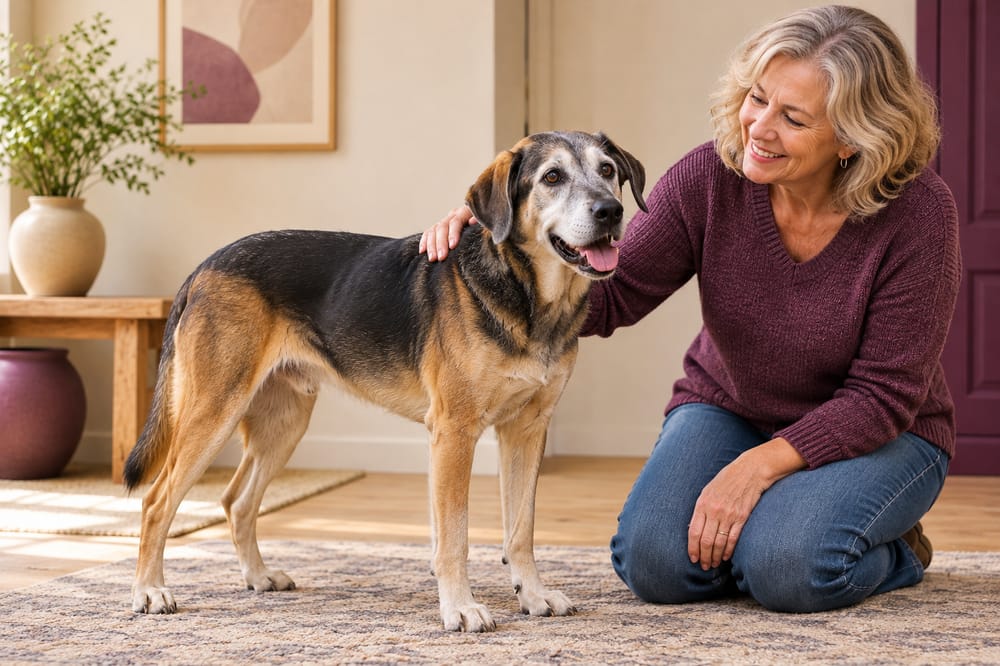
Watching your dog get older brings plenty of little changes. Maybe they take longer to get up from a nap, move a little more slowly on walks, or aren't quite as eager to jump into the car.
But what happens when you notice something different about their body? Their back legs seem thinner, their hips look more prominent, or they don't have the same strength they once did.
Muscle loss is something many pet parents notice as their dogs enter their senior years. Some changes can be part of aging, but noticeable muscle loss shouldn't automatically be dismissed as normal.
The encouraging news is that understanding what's happening can help you take the right steps to support your dog's strength, comfort, and mobility.
Why Do Senior Dogs Lose Muscle?
As dogs age, their bodies gradually change. One of those changes can involve a reduction in muscle mass, sometimes called sarcopenia when it is associated with aging.
Muscles do much more than help your dog walk or run. They support joints, provide stability, maintain posture, and make everyday activities like standing up or climbing a few steps possible.
Several factors can contribute to muscle loss in older dogs:
- Natural aging. Older dogs may gradually lose muscle as their bodies change, even when they are otherwise healthy.
- Reduced physical activity. Dogs who move less because of discomfort, fatigue, or lifestyle changes may gradually lose muscle.
- Joint pain and arthritis. When movement hurts, your dog may avoid using certain muscles. Over time, reduced use can contribute to muscle loss.
- Inadequate nutrition. Dogs need sufficient calories and high-quality protein to maintain healthy muscles. Poor appetite or a diet that doesn't meet their nutritional needs may contribute to muscle loss.
- Underlying medical conditions. Certain diseases can cause muscle wasting, sometimes even when your dog continues eating normally.
The important thing to remember is that muscle loss isn't always caused by age alone. Understanding what's contributing to it is the first step toward helping your dog.
5 Signs Your Senior Dog May Be Losing Muscle
Muscle loss can develop slowly enough that you don't notice it right away.
Because you see your dog every day, gradual changes in their appearance may be easy to overlook. Sometimes it's a photograph from six months ago that makes you realize how much their body has changed.
Some changes affect your dog's appearance, while others involve their strength or movement. Here are five worth paying attention to.
1. Thinner Back Legs
One of the more noticeable changes is a loss of muscle around the thighs and hindquarters.
Your dog's back legs may look narrower than they once did, particularly when viewed from behind.
You might also notice that they have more difficulty pushing themselves up from the floor or climbing stairs.
2. More Prominent Hips or Spine
As muscle decreases, the bones around your dog's hips, pelvis, or backbone may become easier to see or feel.
This doesn't necessarily mean your dog is losing body fat. Dogs can lose muscle while maintaining a relatively stable body weight.
That's why looking at your dog's overall body shape can sometimes tell you more than the number on the scale.
3. Difficulty Standing Up
Does your dog need several attempts to rise after resting?
Perhaps they shift their weight forward, push harder with their front legs, or pause before standing.
These changes can occur with muscle weakness, arthritis, or neurological problems. Although they don't necessarily prove muscle loss, they are important signs that your dog may need help.
4. Less Endurance During Walks
Your dog may still enjoy their daily walks but tire sooner than before.
They might slow down, stop more frequently, or seem less interested in covering familiar distances.
Reduced endurance doesn't always mean muscle loss. Pain, heart disease, respiratory problems, and other conditions can produce similar changes.
If your dog's stamina is declining, it's worth discussing with your veterinarian.
5. Changes in Balance or Stability
Muscle weakness can make it harder for dogs to maintain stability, particularly on slippery floors or uneven ground.
You may notice hesitation when turning, difficulty navigating steps, or occasional stumbling.
These changes can also indicate orthopedic or neurological problems, so they shouldn't automatically be attributed to aging.
Is Muscle Loss Normal in Older Dogs?
Some age-related muscle loss can occur in otherwise healthy senior dogs. However, there's an important difference between gradual changes associated with aging and muscle wasting caused by illness.
Veterinarians distinguish between two related conditions: sarcopenia and cachexia.
Sarcopenia refers to age-associated loss of skeletal muscle.
Cachexia refers to muscle wasting associated with underlying disease, such as certain cancers, heart conditions, or other chronic illnesses.
Both can affect older dogs, but they don't necessarily require the same approach.
Your veterinarian can assess your dog's muscle condition, body weight, medical history, and other symptoms to help determine what's happening.
One particularly useful tool is a Muscle Condition Score, which evaluates muscle over areas such as the spine, shoulders, skull, and pelvis.
This is different from a Body Condition Score, which primarily evaluates body fat.
A dog can have an ideal body weight and still experience muscle loss. That's why assessing both muscle and body condition matters.
What Medical Conditions Can Cause Muscle Loss in Senior Dogs?
Although aging can contribute to muscle loss, several health conditions may accelerate the process.
Arthritis and Chronic Pain
Dogs with arthritis often change how they move to avoid discomfort.
If your dog has painful hips or knees, they may shift more weight onto their front legs or reduce their activity.
Over time, muscles that aren't being used normally can become smaller and weaker. This can create a difficult cycle: pain reduces movement, reduced movement contributes to weakness, and weakness makes everyday activities more challenging.
If you're wondering whether changes in your dog's movement are simply part of aging, our article Is My Dog Just Getting Old or Is Something Wrong? offers some helpful guidance.
Neurological Conditions
Problems affecting the nerves or spinal cord can interfere with normal muscle function.
Depending on the condition, you might notice weakness, dragging paws, changes in coordination, or muscle loss affecting one or more legs.
Muscle loss that's noticeably worse on one side of the body can be particularly important to investigate.
Chronic Illness
Conditions involving the kidneys, heart, digestive system, or other organs may contribute to changes in appetite, metabolism, and muscle mass.
Some dogs lose muscle despite eating regularly.
This is one reason unexplained muscle loss deserves attention even when your dog seems otherwise comfortable.
Cancer
Certain cancers can cause muscle wasting through changes in metabolism and inflammation.
That said, muscle loss alone does not mean your dog has cancer.
Many other explanations are possible. However, persistent or unexplained changes should be investigated rather than attributed automatically to aging.
Can Senior Dogs Rebuild Lost Muscle?
Yes, sometimes! With the right nutrition, gentle exercise, and proper care, some senior dogs can regain strength and improve their mobility.
How much they improve depends on their overall health and what's causing the muscle loss. And remember, getting stronger doesn't always mean rebuilding all the muscle they've lost.
The goal isn't to get your dog back to how they looked at three years old. It's to help them stay comfortable, move more easily, and enjoy everyday life.
Even small improvements can make a difference. For more practical ideas, read How to Improve Your Senior Dog's Quality of Life.
5 Ways to Help Your Senior Dog Maintain Muscle and Strength
Once your veterinarian has evaluated the muscle loss, there are several practical ways to support your dog's strength and mobility.
The best approach usually combines appropriate nutrition, comfortable movement, and attention to any health problems that may be limiting activity.
1. Make Sure Your Dog Is Getting Enough Protein
Protein provides the building blocks your dog's body needs to maintain and repair muscle tissue.
One common misconception is that senior dogs automatically need less protein simply because they're getting older. That's not generally true for healthy senior dogs.
Adequate, high-quality protein is especially important for maintaining muscle as dogs age. However, the appropriate amount depends on your dog's overall health, nutritional needs, and any underlying medical conditions.
Dogs with certain medical conditions, including some stages of kidney disease, may need specially formulated diets with carefully managed protein levels.
Before changing foods or adding protein supplements, ask your veterinarian whether your dog's current diet provides appropriate nutrition.
2. Keep Your Dog Moving With Gentle, Regular Exercise
Regular movement helps your dog maintain muscle strength, joint flexibility, and mobility.
For many senior dogs, a few short walks throughout the day are easier than one long outing. The goal is to keep them moving comfortably, not wear them out.
Pay attention to how your dog feels during and after activity. If they seem sore, unusually tired, or reluctant to move, it may be time to adjust their routine.
If your dog has arthritis, significant weakness, or another health condition, check with your veterinarian before increasing their activity.
Looking for more ways to keep your dog moving comfortably? Our article, How to Help Your Senior Dog Stay Active as They Get Older, has some practical ideas worth trying.
3. Ask About Canine Physical Rehabilitation
Physical rehabilitation isn't just for dogs recovering from surgery. It may also help some senior dogs improve strength, balance, coordination, and comfort.
Depending on your dog's needs, a veterinarian or qualified canine rehabilitation professional might recommend controlled strengthening exercises, balance activities, or other therapeutic techniques.
Some dogs may benefit from underwater treadmill sessions, which can provide controlled exercise with buoyancy support.
These programs should be individualized, especially when a dog has painful joints, spinal problems, or neurological disease.
4. Make Everyday Movement Easier
Helping your dog stay active sometimes starts with making a few simple changes around the house.
Try adding non-slip rugs to slippery floors, using ramps to help with steps, and keeping food and water within easy reach. A supportive bed in a favorite resting spot can also make a big difference.
These small changes won't rebuild muscle on their own, but they can make moving around less of a struggle.
When your dog feels more comfortable and confident getting around the house, staying active may come a little easier, too.
5. Address Pain Before Increasing Activity
If arthritis or joint pain is making it harder for your dog to move around, encouraging more exercise could do more harm than good.
Before trying to build strength, it's important to make sure your dog is comfortable and their pain is under control.
Your veterinarian can help you find the right approach, whether that means medication, physical therapy, weight management, or a combination of treatments.
And remember, never give your dog human pain medications unless your veterinarian specifically tells you it's safe.
When Should You Worry About Muscle Loss?
Gradual muscle changes deserve attention, but some situations are more concerning than others.
Schedule a veterinary appointment if you notice:
- Muscle loss developing over several weeks or months.
- One leg becoming noticeably thinner than the other.
- Unexplained weight loss, even when appetite seems normal.
- Increasing difficulty standing, walking, or climbing stairs.
- Changes in appetite, thirst, energy, or behavior.
- Muscle loss that continues despite appropriate nutrition and activity.
Emergency Warning Signs: When to Get Help Right Away
If your dog suddenly struggles to stand or walk, becomes extremely weak, collapses, or seems to be in severe pain, don't wait to get help. Contact your veterinarian or an emergency veterinary clinic right away.
These sudden changes aren't a normal part of getting older and could be a sign of something serious.
How to Monitor Your Dog's Muscle Condition at Home
You don't need specialized equipment to notice changes in your dog's body.
A few simple habits can help you recognize patterns and share useful information with your veterinarian.
- Take photographs. Photograph your dog from the side, above, and behind every month or so. Use similar lighting and positioning to make comparisons easier.
- Track body weight. Weigh your dog periodically using a consistent method. Remember that stable weight doesn't always mean muscle mass is unchanged.
- Observe everyday movement. Notice how easily your dog rises, walks, turns, and navigates familiar areas.
- Record short videos. Consider taking videos of your dog getting up, walking, and turning. These recordings can help your veterinarian see changes that might not be obvious during an office visit.
- Gently feel their body. With guidance from your veterinarian, become familiar with the muscles along your dog's spine, shoulders, and hips. Don't press painful areas.
- Keep brief notes. Record changes in activity, appetite, endurance, and mobility.
These observations aren't a substitute for a veterinary examination, but they can make it easier to recognize changes early.
Noticing these little changes can help you stay one step ahead as your dog gets older. For more signs worth watching, take a look at 10 Signs Your Dog Is Becoming a Senior.
Frequently Asked Questions About Muscle Loss in Senior Dogs
Why are my senior dog's back legs getting skinny?
Your dog's back legs may become thinner as they age, especially if arthritis or discomfort has made them less active. But aging isn't always the cause. Nerve problems and other health conditions can also play a role, so it's worth having your veterinarian take a look.
Can an older dog gain muscle again?
Yes, sometimes! With the right nutrition, gentle exercise, and proper care, some older dogs can regain muscle and improve their strength. How much progress your dog makes depends on their overall health and what's causing the muscle loss.
Does walking help senior dogs maintain muscle?
Yes! Regular, comfortable walks can help your dog stay active and maintain muscle strength. Shorter, more frequent walks are often easier to manage than long outings. Just make sure the pace and distance are right for your dog's abilities.
Can a senior dog lose muscle without losing weight?
Yes, and it's easier to miss than you might think. Your dog can lose muscle while maintaining or even gaining body fat. That's why changes in their body shape can tell you things the bathroom scale might not.
Should I give my senior dog protein supplements?
Not necessarily. Your dog may already be getting enough protein from their regular food. Before adding supplements, talk with your veterinarian to make sure they're needed and safe for your dog's health.
Sources & Further Reading
American Animal Hospital Association (AAHA). 2023 Senior Care Guidelines for Dogs and Cats — Nutrition. Guidance on senior pet nutrition, body condition, and muscle condition.
Read the Source: 2023 Senior Care Guidelines for Dogs and Cats — Nutrition
World Small Animal Veterinary Association (WSAVA). Muscle Condition Score Chart for Dogs. PDF. A visual reference for assessing muscle loss.
Read the Source: Muscle Condition Score Chart for Dogs. PDF
American Animal Hospital Association (AAHA). 2022 Pain Management Guidelines — Nonpharmacologic Modalities. Guidance on rehabilitation and other approaches to managing pain.
Read the Source: 2022 Pain Management Guidelines — Nonpharmacologic Modalities
American Animal Hospital Association (AAHA). 2023 Senior Care Guidelines — Pain Management. Guidance on recognizing and managing pain in senior pets.
Read the Source: 2023 Senior Care Guidelines — Pain Management
Pet Parents Wellness provides educational information to help pet parents better understand and support their dogs. The information in this article is not intended to replace professional veterinary advice, diagnosis, or treatment.
Every dog is different, and changes in mobility, behavior, or physical comfort should be discussed with your veterinarian. If your dog experiences sudden weakness, severe pain, difficulty standing or walking, or other concerning symptoms, seek veterinary care promptly.
Always consult your veterinarian before making changes to your dog's medications, exercise routine, or mobility care.
Get Your Free Senior Dog Longevity Blueprint

Give your dog more good days with our free 74-page Senior Dog Longevity Blueprint. Discover practical guidance for supporting your dog's health, comfort, and quality of life as they age.

Helping you give your dog
more good days.
EXPLORE
FOLLOW US
© 2026 Powers & Sloan LLC. All Rights Reserved. · Privacy Policy · Terms of Use · Affiliate Disclosure