
Arthritis in Senior Dogs: Signs, Treatment, and Everyday Comfort
Sunday, November 15, 2026
Pet Parents Wellness™
More Healthy Years. More Happy Moments.
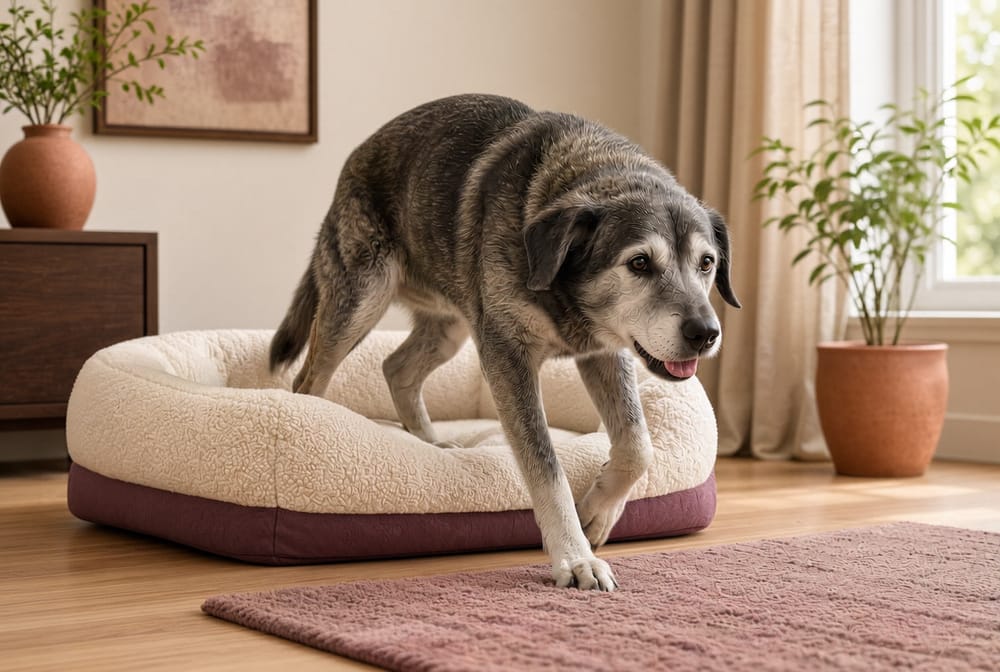
As your dog gets older, you may begin noticing little changes in the way they move. Perhaps they take longer to get up after a nap, hesitate before climbing the stairs, or seem less enthusiastic about their usual walks. At first, these changes might seem like a normal part of getting older.
After all, we expect our dogs to slow down somewhat as they age. But what looks like ordinary aging can sometimes be a sign that something is making everyday movement uncomfortable.
Arthritis is one of the common causes of pain and reduced mobility in older dogs. Although it cannot simply be cured, there are effective ways to manage the condition, reduce discomfort, and help your dog continue enjoying the activities they love.
Understanding the signs of arthritis is an important first step. The sooner you recognize that something has changed, the sooner you and your veterinarian can begin finding ways to help.
What Is Arthritis in Dogs?
Arthritis is a general term for inflammation affecting a joint. The most common form in older dogs is osteoarthritis, sometimes called degenerative joint disease. This condition involves gradual changes within the joint that can make movement increasingly uncomfortable.
Healthy joints contain cartilage that helps bones move smoothly against one another. With osteoarthritis, changes develop in the cartilage, underlying bone, joint lining, and surrounding tissues. These changes can lead to inflammation, stiffness, pain, and difficulty moving.
Osteoarthritis can affect several areas of your dog's body, including the hips, knees, elbows, and shoulders. Some dogs experience problems in one joint, while others develop changes in several joints over time. The location and severity of those changes can influence which activities become difficult.
Although arthritis is more common in senior dogs, it isn't limited to older animals. Dogs with previous joint injuries, developmental conditions such as hip dysplasia, or other risk factors may develop osteoarthritis earlier in life.
One important distinction: Arthritis isn't simply an inevitable part of getting older. It's a medical condition that deserves attention, and recognizing it early can help you make better decisions about your dog's care.
7 Signs Your Senior Dog May Have Arthritis
Dogs don't always communicate discomfort in ways that are easy to recognize. Some continue participating in familiar activities even when those movements have become painful, while others gradually adjust their behavior to avoid discomfort.
That's why paying attention to changes in your dog's everyday habits can be so valuable. The following seven signs may suggest that arthritis or another mobility problem is affecting their comfort.
1. Difficulty Getting Up After Resting
One of the more noticeable signs of arthritis is stiffness after a period of rest. Your dog may take longer to stand after sleeping, shift their weight before getting up, or seem hesitant to move when they first wake up.
You might also notice that they appear particularly stiff in the morning or after a long nap but begin moving more comfortably once they've walked around for a few minutes. This pattern can occur with arthritis, although other medical conditions can cause similar difficulties.
2. Reluctance to Climb Stairs
A dog who once bounded up the stairs without hesitation may begin approaching them more cautiously. Perhaps they take one step at a time, pause halfway, or avoid the stairs altogether. Going downstairs may be especially uncomfortable for some dogs because of the way their weight shifts onto different joints.
It's worth remembering that arthritis isn't the only reason a senior dog might struggle with stairs. Changes in vision, muscle weakness, neurological problems, and other health conditions can also make navigating steps difficult. Any persistent change deserves a conversation with your veterinarian.
If your dog has recently started avoiding stairs, our article Why Is My Senior Dog Afraid of Stairs or Refusing to Use Them? explores several possible reasons and ways to help.
3. Shorter or Slower Walks
Your dog may still get excited when you reach for the leash, but once you're outside, you notice they aren't quite as eager to walk as far as they used to. Perhaps they lag behind, stop more frequently, or start heading toward home earlier than usual.
These changes can be easy to overlook, especially when they develop gradually. What seems like a slightly slower walk today may become a noticeable change in your dog's routine over the coming months.
If you're unsure whether changes in your dog's activity are related to aging or an underlying health problem, our article Is My Dog Just Getting Old or Is Something Wrong? explores that distinction in more detail.
4. Hesitation Before Jumping
Jumping onto the couch, climbing into the car, or getting onto a favorite chair may become more difficult when your dog's joints are uncomfortable. You might notice them pausing before a familiar jump, attempting it differently, or giving up altogether.
Sometimes these changes reflect pain, while other times reduced muscle strength or a different mobility problem may be involved. Rather than encouraging your dog to keep attempting difficult jumps, consider whether a safer way to reach their favorite places would help.
5. Changes in Posture or Walking
Arthritis can change the way your dog carries their body. When a joint becomes uncomfortable, they may begin shifting weight away from that area, taking shorter steps, or adjusting their posture to avoid certain movements.
You might notice a limp, an uneven walking pattern, or subtle changes in how they stand. Because dogs can compensate for discomfort in different ways, these changes aren't always dramatic. Even a mild but persistent difference in their usual movement is worth mentioning to your veterinarian.
6. Less Interest in Play
A dog who once loved chasing toys or playing with other dogs may gradually become less interested in those activities. They might still enjoy being near you and watching what's happening but seem reluctant to participate as enthusiastically as before.
It's easy to assume that an older dog simply doesn't want to play anymore. Sometimes that's true, but sometimes the activity itself has become uncomfortable. A change in enthusiasm may be your dog's way of adjusting to physical limitations.
7. Changes in Mood or Behavior
Pain doesn't always show up as limping or stiffness. Some dogs become more irritable when touched, withdraw from interaction, have difficulty settling down, or seem less interested in their familiar routines.
For example, a dog who previously enjoyed being brushed or cuddled may become uncomfortable when you handle certain areas of their body. Although behavior changes can have many explanations, ongoing discomfort should always be considered.
The takeaway: No single symptom proves that your dog has arthritis. However, persistent stiffness, changes in mobility, or unusual behavior shouldn't automatically be dismissed as normal aging. A veterinary examination can help determine what's happening and what your dog needs.
How Veterinarians Diagnose Arthritis
If you suspect that arthritis may be affecting your dog, your veterinarian is the best place to start. Diagnosing the condition usually involves more than simply observing whether your dog limps or seems stiff.
Your veterinarian will likely begin by asking about changes you've noticed at home. They may want to know whether your dog has difficulty standing, climbing stairs, walking, or participating in familiar activities. Information about previous injuries, exercise habits, and changes in behavior can also be helpful.
During the physical examination, your veterinarian may observe how your dog walks, assess muscle condition, check the movement of individual joints, and look for areas of discomfort. Depending on the findings, they may recommend X-rays or other diagnostic tests to evaluate joint changes or investigate additional concerns.
One important thing to understand is that X-ray findings don't always tell the whole story. A dog with noticeable joint changes may experience relatively mild discomfort, while another dog with less dramatic findings may have significant pain.
Your veterinarian will consider the complete picture, including your dog's medical history, physical examination, symptoms, and diagnostic results, before recommending an appropriate care plan.
Can Arthritis in Senior Dogs Be Treated?
Yes. Although osteoarthritis is generally a progressive condition that cannot be cured, treatment can often make a meaningful difference in your dog's comfort, mobility, and quality of life.
The goal isn't simply to reduce pain for a few hours. It's to help your dog maintain as much comfortable movement and independence as possible while supporting their overall health.
Most arthritis management plans involve several approaches working together. Your veterinarian may recommend a combination of pain management, weight control when appropriate, physical rehabilitation, and adjustments to your dog's everyday routine.
Veterinary Pain Management
Medication can play an important role in helping dogs with arthritis remain comfortable. Your veterinarian may recommend prescription treatments that reduce pain and inflammation, making it easier for your dog to move and participate in normal activities.
Nonsteroidal anti-inflammatory drugs, commonly called NSAIDs, are frequently used to manage canine osteoarthritis. Other prescription treatments may also be appropriate depending on your dog's individual condition, medical history, and response to treatment.
Because these medications can have side effects, veterinary supervision is essential. Your veterinarian may recommend bloodwork or other monitoring, particularly when medication is used over an extended period or when your dog has additional health concerns.
Never give your dog human pain medication unless your veterinarian specifically instructs you to do so. Some common human pain relievers can cause serious harm to dogs, even when the amount seems small.
Weight Management
Maintaining an appropriate body condition can make a meaningful difference for dogs living with arthritis. Excess weight places additional mechanical demands on joints and may contribute to inflammation, potentially making movement more uncomfortable.
If your dog is overweight, your veterinarian can help develop a gradual, safe weight-management plan that considers their age, health, and nutritional needs. Even modest improvements in body condition may help reduce unnecessary strain.
However, weight loss isn't appropriate for every senior dog. Older dogs can also experience muscle loss, and maintaining adequate muscle is important for strength, balance, and mobility.
The goal should be helping your dog maintain a healthy body condition while preserving muscle and physical function, rather than focusing only on the number displayed on a scale.
For a broader look at supporting your dog's health as they age, see Senior Dog Care: 7 Pillars for Helping Your Dog Age Well.
Physical Rehabilitation
Some dogs with arthritis benefit from physical rehabilitation designed to improve strength, movement, and everyday function. Depending on your dog's condition, a rehabilitation program might include controlled strengthening exercises, balance activities, therapeutic movement, or other professionally guided treatments.
A veterinarian or qualified canine rehabilitation professional can help determine which activities are appropriate and how they should be introduced. This is especially important for dogs with multiple affected joints, significant mobility limitations, or other medical conditions.
Exercises that help one dog may not be suitable for another. A personalized approach can help your dog remain active without placing unnecessary stress on uncomfortable joints.
Supplements and Other Therapies
If you've researched joint health products, you've probably encountered supplements containing glucosamine, chondroitin, omega-3 fatty acids, or combinations of several ingredients. These products are widely marketed for supporting joint health, but the scientific evidence behind them varies.
Certain nutritional approaches, including some omega-3 fatty acid formulations, have shown benefits for dogs with osteoarthritis. However, that doesn't mean every joint supplement is equally effective, or that supplements can replace established veterinary pain management.
Product quality, ingredient amounts, appropriate dosing, and possible interactions with medications are all important considerations. Before adding a supplement or alternative therapy to your dog's routine, discuss it with your veterinarian to determine whether it's appropriate.
7 Ways to Make Everyday Life More Comfortable
Veterinary treatment is an important part of managing arthritis, but your dog's home environment can also have a significant influence on how comfortably they move throughout the day.
Think about the activities your dog performs regularly, such as getting out of bed, walking across the floor, reaching their water bowl, or going outside. Small adjustments to these familiar routines may reduce unnecessary strain and make everyday life easier.
For more practical ideas, read our article How to Make Your Home More Comfortable for a Senior Dog.
1. Provide a Comfortable Resting Area
A supportive bed can give your dog a comfortable place to rest while making it easier to settle down and get back up. Look for a bed that suits their size and mobility, provides appropriate support, and doesn't require them to climb over high edges.
Place the bed somewhere warm, dry, and away from drafts, preferably in an area where your dog enjoys spending time with the family. The most expensive bed isn't necessarily the best choice. What matters is whether your dog can rest comfortably and get up without unnecessary difficulty.
2. Improve Traction on Slippery Floors
Hardwood, tile, and laminate flooring can be challenging for dogs with painful joints or reduced muscle strength. When their feet slip, they may struggle to maintain balance or become hesitant to move across certain areas of the house.
Area rugs, nonslip runners, and securely positioned mats can provide better footing. Pay particular attention to places where your dog frequently stands up, turns around, or moves between rooms. Improving traction in these areas may help them feel more confident moving around the house.
3. Reduce Unnecessary Jumping
Jumping onto furniture or into a vehicle can place considerable demands on uncomfortable joints. If your dog frequently needs to reach an elevated area, a stable ramp or appropriately designed pet steps may provide an easier alternative.
However, ramps and steps aren't suitable for every dog. Some may struggle with the incline, balance requirements, or unfamiliar surface. Choose equipment with good traction and appropriate dimensions, and consider whether avoiding certain jumps altogether would be safer.
4. Make Food and Water Easy to Reach
Something as simple as the location of your dog's food and water bowls can influence their daily comfort. If they must navigate stairs, slippery floors, or other obstacles every time they want a drink, those small challenges can add up.
Try placing bowls in convenient, easily accessible locations where your dog can stand and eat or drink comfortably. Some dogs may benefit from changes in bowl height or positioning, but there isn't one ideal arrangement for every dog. Let your dog's comfort and your veterinarian's guidance determine what works best.
5. Keep Essential Areas Accessible
Take a moment to look at your home from your dog's perspective. Consider the places they visit most often, including their bed, water bowl, favorite resting area, and the door they use to go outside.
Are there unnecessary obstacles between these locations? Does your dog need to climb stairs to reach something they use several times a day? Sometimes, moving a piece of furniture or rearranging a room can eliminate a challenge that has gradually become difficult for them.
6. Maintain a Consistent Routine
Many senior dogs benefit from a predictable daily schedule, particularly when they're managing ongoing discomfort. Regular feeding times, comfortable resting periods, and appropriately paced activity can help create a routine that supports their changing abilities.
Consistency also makes it easier for you to notice when something isn't quite right. When you're familiar with your dog's usual walking habits, energy level, and daily behavior, subtle changes may become easier to recognize and discuss with your veterinarian.
7. Help Without Forcing Movement
There may be times when your dog needs assistance getting into a vehicle, navigating an obstacle, or moving through a difficult area. A properly fitted support harness may help some dogs, particularly when additional stability is needed.
However, assistance should never involve pulling on your dog's legs or forcing movements that appear painful. If your dog regularly needs help standing or walking, ask your veterinarian about safe handling techniques and whether specialized support equipment would be appropriate.
Should Senior Dogs With Arthritis Still Exercise?
Exercise can still be an important part of life for a senior dog with arthritis. Appropriate movement helps maintain muscle strength, supports joint function, and contributes to overall well-being. The key is finding an activity level that keeps your dog moving without making their discomfort worse.
Too little activity can contribute to muscle weakness and reduced mobility, while too much may leave your dog feeling stiff or sore. For many dogs, several shorter, controlled walks are more manageable than an occasional long outing. Low-impact activities are generally preferable to repetitive jumping, sharp turns, or strenuous running.
Pay attention to how your dog responds, not just during exercise but afterward. If they seem noticeably stiffer, more tired, or uncomfortable later that day or the following morning, their activity routine may need adjusting. Your veterinarian can help you determine what type and amount of exercise is appropriate for your dog's condition.
How to Tell Whether Your Dog's Arthritis Is Getting Worse
Arthritis can change gradually over time, making it difficult to recognize when your dog's comfort or mobility has declined. Because you see your dog every day, you may not immediately notice small differences that develop over several weeks or months.
One helpful approach is to pay attention to familiar activities rather than trying to evaluate every movement. Consider how easily your dog gets out of bed, whether they can complete their usual walks, and how comfortably they move around the house.
A few things worth monitoring include:
- How easily they stand after resting.
- Whether they can complete their usual walks.
- Changes in limping, stiffness, or posture.
- Their willingness to play and interact.
- How comfortably they sleep and settle down.
- Whether they need more assistance with everyday activities.
You don't need to turn every day into a medical assessment. A few simple observations, recorded consistently, can help you recognize patterns that might otherwise go unnoticed. These notes can also provide useful information when discussing your dog's progress with your veterinarian.
Our Senior Dog Daily Wellness Tracker™ was created to help pet parents organize everyday observations and monitor changes over time. You can find it in our Free Resources library, along with other helpful tools for caring for your senior dog.
If your dog suddenly cannot stand, refuses to bear weight on a leg, experiences severe pain, or develops a major change in mobility, seek prompt veterinary attention. Sudden symptoms shouldn't automatically be attributed to arthritis getting worse.
When Should You Contact Your Veterinarian?
If your dog develops persistent stiffness, limping, reluctance to move, or other noticeable mobility changes, it's time to schedule a veterinary appointment. Even when those changes seem relatively mild, an examination can help identify discomfort before it begins interfering more significantly with everyday life.
If your dog has already been diagnosed with arthritis, continue watching for new or worsening symptoms. A treatment plan that worked well several months ago may need adjustments as your dog's condition or overall health changes.
Contact your veterinarian sooner if your dog experiences a sudden decline, significant discomfort, or difficulty performing essential activities. Remember that senior dogs can develop more than one health condition at a time, so not every new symptom is necessarily related to an existing arthritis diagnosis.
Frequently Asked Questions About Arthritis in Senior Dogs
At what age do dogs develop arthritis?
Arthritis can develop at many different ages, although osteoarthritis becomes more common as dogs get older. Younger dogs may also develop the condition because of previous injuries, developmental joint problems, or other risk factors. Age alone doesn't determine whether a dog has arthritis.
Can arthritis in dogs be cured?
Osteoarthritis generally cannot be cured, but it can often be managed effectively. Veterinary treatment, appropriate exercise, weight management when needed, and practical home adjustments may help reduce discomfort and support mobility. The goal is to maintain your dog's comfort and quality of life for as long as possible.
Is walking good for a senior dog with arthritis?
Appropriate, controlled walking can benefit many dogs with arthritis by helping maintain muscle strength and mobility. However, the ideal duration and intensity depend on your dog's condition, pain level, and overall health. Your veterinarian can help you develop a walking routine suited to their individual needs.
Can arthritis cause behavioral changes?
Yes. Chronic discomfort can influence your dog's mood, sleep, activity level, and willingness to interact with people or other animals. Some dogs become more withdrawn or irritable, while others simply participate less in activities they previously enjoyed. Because behavior changes can have many causes, veterinary evaluation is important.
Do all senior dogs eventually get arthritis?
No. Although arthritis is common among older dogs, it isn't inevitable. Factors such as joint development, previous injuries, body condition, and individual health history can influence a dog's risk. Staying attentive to changes in movement and comfort is important regardless of your dog's age.
Sources & Further Reading
American Animal Hospital Association (AAHA). 2022 AAHA Pain Management Guidelines for Dogs and Cats. Provides evidence-based recommendations for recognizing, assessing, and managing pain in dogs, including chronic pain associated with osteoarthritis.
Read the Source: 2022 AAHA Pain Management Guidelines for Dogs and Cats.
American Animal Hospital Association (AAHA). 2023 AAHA Senior Care Guidelines for Dogs and Cats. Offers veterinary guidance on caring for aging dogs, including mobility assessments, pain management, and maintaining quality of life throughout their senior years.
Read the Source: 2023 AAHA Senior Care Guidelines for Dogs and Cats.
American Animal Hospital Association (AAHA). 2021 AAHA Nutrition and Weight Management Guidelines for Dogs and Cats. Explains the importance of appropriate nutrition, healthy body condition, and weight management in supporting overall health and mobility.
Read the Source: 2021 AAHA Nutrition and Weight Management Guidelines for Dogs and Cats
American College of Veterinary Surgeons (ACVS). Osteoarthritis in Dogs. Provides an overview of canine osteoarthritis, including common symptoms, diagnosis, treatment options, and approaches to improving comfort and mobility.
Read the Source: Osteoarthritis in Dogs.
Pet Parents Wellness provides educational information to help pet parents better understand and support their dogs. The information in this article is not intended to replace professional veterinary advice, diagnosis, or treatment.
Every dog is different, and changes in mobility, behavior, or physical comfort should be discussed with your veterinarian. If your dog experiences sudden weakness, severe pain, difficulty standing or walking, or other concerning symptoms, seek veterinary care promptly.
Always consult your veterinarian before making changes to your dog's medications, exercise routine, or mobility care.
Get Your Free Senior Dog Longevity Blueprint

Give your dog more good days with our free 74-page Senior Dog Longevity Blueprint. Discover practical guidance for supporting your dog's health, comfort, and quality of life as they age.

Helping you give your dog
more good days.
EXPLORE
FOLLOW US
© 2026 Powers & Sloan LLC. All Rights Reserved. · Privacy Policy · Terms of Use · Affiliate Disclosure